
Planning your Byworth installation
Installing new Byworth commercial equipment is an opportunity to review the whole system, not just exchange one appliance for another. A successful project begins with the duty the equipment must deliver, the condition of the existing services and the practical limitations of the building. We arrange an assessment before recommending an installation scope, so the proposal reflects the actual site and the selected product. The make, model, fuel type and current manufacturer instructions are checked rather than relying on a brand name alone.
Tell us whether you are replacing failed equipment, increasing capacity or fitting out a new space. If you already have a specification, quotation or preferred Byworth model, share it with the enquiry. If not, provide the current appliance details and explain what needs to improve. We can then identify the information needed for a suitable proposal. Availability, installation timing and any specialist work are confirmed before you commit to the project.
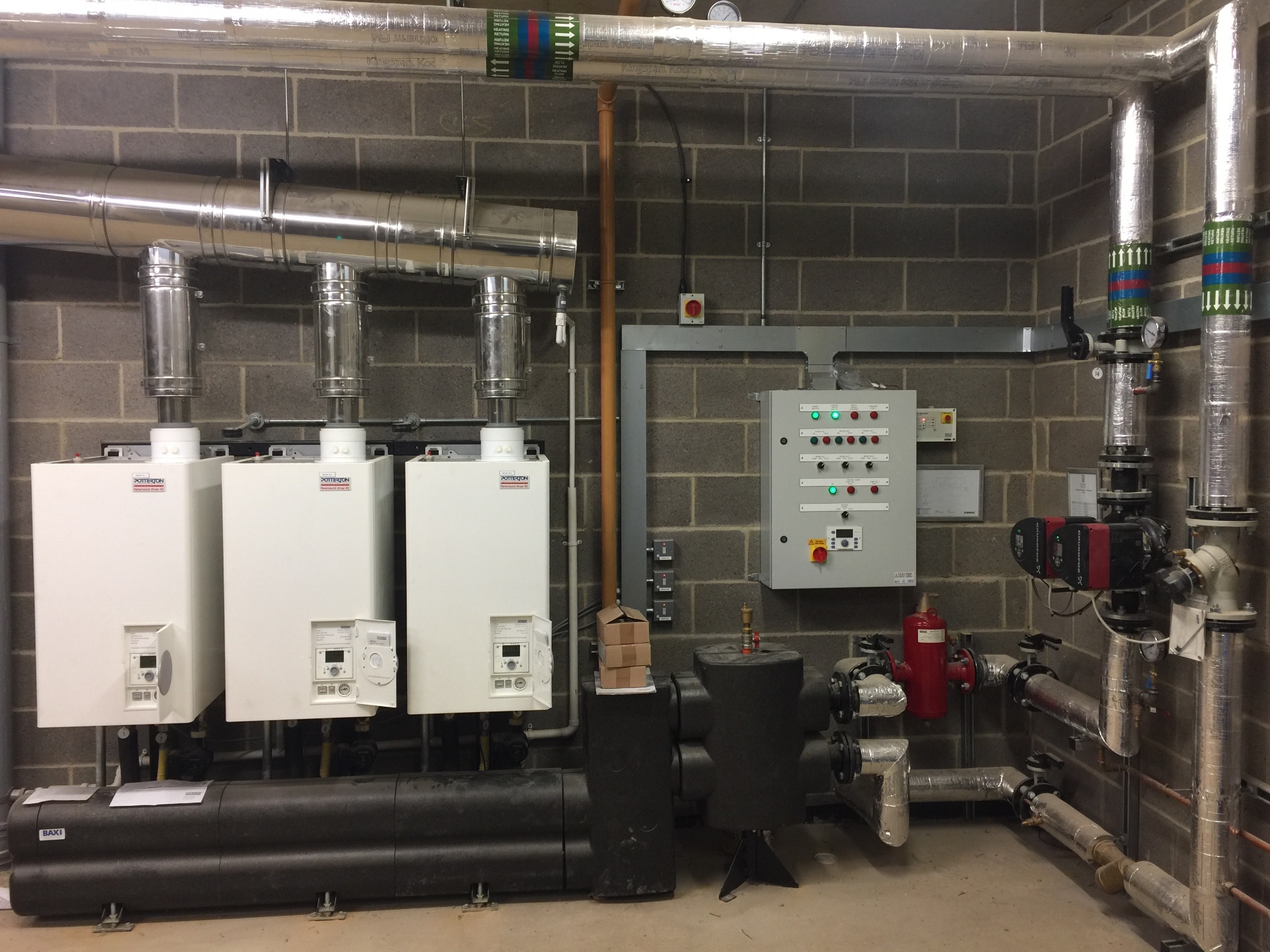
Byworth commercial boiler installation
Boiler selection starts with the building heat loss, operating temperatures and available plant-room space, rather than copying the rating of the old appliance. The survey considers cascade operation, minimum modulation, hydraulic separation, pump duties and the condition of the existing system water. Flue routes, condensate disposal and maintenance clearances must suit the selected model. Where several boilers serve one building, the proposed sequence should match changing demand and allow individual modules to be maintained without unnecessarily stopping the whole installation.
Byworth industrial boiler and burner installation
Industrial plant requires a defined engineering scope covering the process duty, operating pressure, fuel and control interfaces. Boiler and burner compatibility must be established from the actual equipment specifications. The survey considers foundations, lifting access, gas-train requirements, ventilation and flue arrangements. Steam and pressure systems may also require specialist design input and a written scheme of examination from a competent person. These responsibilities are identified before ordering, so installation work is not mistaken for statutory inspection or approval of the complete process system.
What the Byworth site survey covers
A survey checks the proposed appliance location and the supporting services. That can include gas supply capacity, pipework routes, water connections, electrical isolation, ventilation, flues and drains, depending on the equipment. Existing installations are not assumed suitable simply because an older appliance worked there. The proposed Byworth unit may have different pressure, flow, clearance or connection requirements, and those differences need to be resolved before installation day.
The visit also considers access for delivery and future maintenance. Door widths, stairs, roof access, lifting restrictions and plant-room obstructions can materially change the work required. Where the building has permit procedures, restricted hours or an asbestos register, these are reviewed with the site contact. The outcome should be a clearly defined scope with any outstanding design questions or surveys identified. If further specialist assessment is required, it is explained before equipment is ordered or existing services are altered.
Choosing capacity and configuration
Selecting the right Byworth equipment requires more than comparing headline outputs. The operating pattern matters: continuous demand, short peaks, seasonal heating and intermittent kitchen use place different demands on a system. Oversized equipment can cycle unnecessarily, while undersized equipment may struggle when the building is busiest. The proposal should explain the basis of selection and the assumptions about demand, rather than promising energy savings that have not been calculated.
Compatibility with existing controls and supporting equipment is reviewed at the same time. In a heating system this might involve circulation pumps, water quality and operating temperatures; in a kitchen it may involve the canopy and gas safety interlock. Ask what is included in the recommendation and whether any existing components should be renewed. Where more than one option is suitable, the differences in installation complexity, maintenance access and operating arrangements can be set out so you can make an informed choice.
Byworth installation quotations and scope
Your quotation should separate the equipment and installation work sufficiently for you to understand what is being supplied. Typical items include delivery, removal of the old appliance, connections, applicable flue work, commissioning and handover documentation. The exact inclusions depend on the survey and selected model. Building work, major electrical alterations, access equipment and specialist design should be clearly included or excluded rather than left as assumptions.
Before accepting, confirm who is responsible for equipment procurement, any manufacturer registration and the disposal of the old unit. Explain purchase-order requirements and site approval procedures at the enquiry stage. If survey findings change the proposed work, an updated scope should be agreed before additional work proceeds. Installation costs are site-specific; a useful quotation reflects the actual access, services and commissioning requirements rather than an advertised figure that excludes the work needed to make the appliance usable.
Scheduling the installation and changeover
Commercial sites need an installation plan that recognises the consequences of downtime. A replacement boiler can interrupt heating, a water heater can affect guest facilities and a catering appliance change can disrupt food service. Discuss operating hours, critical periods and any alternative equipment available on site. We can then confirm an achievable programme with the assigned engineer, subject to equipment availability and the scope agreed after the survey.
The changeover plan identifies when supplies will be isolated and when testing can take place. Delivery, lifting and waste removal may need separate arrangements. Where several appliances are involved, phased work can be considered, but continued operation is only appropriate where it can be maintained safely. Do not assume temporary heating, hot water or cooking facilities are included unless they appear in the quotation. Site contacts should know the expected interruptions and have a way to resolve access or operational questions during the work.
Safe connections and manufacturer requirements
Installation follows the requirements applicable to the particular Byworth model and the building. For gas appliances, the work must be undertaken by a Gas Safe registered engineer with the appropriate appliance competencies. Other equipment may need different qualifications or specialist input. A brand can supply several fuel types, so the engineer confirms the product configuration before assessing the connections and commissioning procedure. Manufacturer documentation is used alongside the relevant installation standards and site conditions.
The appliance must remain accessible for inspection and maintenance once connected. Isolation points, clearances and any safety discharge routes should not be hidden behind newly positioned equipment. Flue and ventilation arrangements are assessed as part of the installation rather than treated as cosmetic details. If the existing services are unsuitable or an unsafe condition is found, the engineer explains what must be corrected. Work is not completed by bypassing a safety device or accepting a connection simply because it was used by the previous appliance.
Byworth commissioning and performance checks
Commissioning establishes that the installed equipment operates correctly under the conditions specified for the model. The checks vary by appliance and can include supply pressures, combustion readings, flow temperatures, control operation and safety-device tests. Where equipment works as part of a larger system, the engineer also checks the relevant interfaces and sequencing within the agreed scope. A unit that starts successfully has not necessarily completed all the checks required for a proper handover.
Readings and observations should be recorded so the site has a useful baseline for future maintenance. Any restrictions, defects outside the agreed scope or recommended follow-up work are explained. Demonstrating performance also requires suitable site conditions: utilities must be available, the installation accessible and the appropriate operating demand arranged where needed. If a separate manufacturer commissioning visit is required for the selected product or warranty, responsibility for arranging it is confirmed in advance rather than assumed to be part of every installation.
Handover, records and warranty conditions
At handover, the nominated site contact should receive the relevant operating instructions and installation or commissioning records. The engineer explains routine controls, normal shutdown and the situations that require professional attention. Keep the Byworth model and serial number with the documents so future maintenance enquiries can be matched to the exact equipment. For buildings with a central logbook, add the records to the existing asset information rather than storing them separately where they may be lost.
Warranty conditions differ between products and manufacturers. Check the actual terms for the selected model, including registration deadlines, commissioning requirements and maintenance obligations. We are an independent provider and do not describe our work as manufacturer-authorised unless that status has been separately verified. Installation alone does not guarantee warranty cover. Where the customer or another contractor supplies the equipment, responsibilities for product defects, delivery damage and registration should be agreed before installation starts.
Maintaining your newly installed Byworth equipment
A new installation still needs a maintenance plan. Use the manufacturer schedule and the site's operating conditions to decide when inspections and servicing should take place. Heavy use, grease, dust or demanding water conditions can affect the work required. The first service date should be recorded at handover, with someone on site responsible for arranging it. Keeping maintenance documents together makes it easier to identify changes in readings or performance over time.
Staff can help by keeping access clear, reporting unusual noises or warning messages and following the operating instructions. They should not dismantle gas equipment or repeatedly reset a fault without understanding the cause. If the building use changes, the installation may also need reassessment; adding appliances or altering ventilation can affect equipment that previously operated correctly. Our separate Byworth service and repair pages cover planned maintenance and fault diagnosis, while this page focuses on selecting, fitting and commissioning new or replacement equipment.
Request a Byworth installation assessment
We arrange commercial installation enquiries across London, towns around the M25, Surrey, Kent and the wider South East. Send the site address, equipment details and preferred timescale through the booking form, or call 0208 935 5572. Include photographs of the existing appliance, its data plate and the surrounding installation where available. For a new project, plans and the intended use of the space help establish what needs to be assessed.
We will confirm whether the model and project are within the available engineers' scope before arranging work. Neither stock availability nor an installation date is guaranteed merely by submitting an enquiry. You receive the proposed next step and can review the scope before accepting a quotation. Byworth names are used to identify the equipment under discussion; we are not affiliated with or endorsed by the manufacturer. This keeps the enquiry focused on your actual installation rather than an unsupported claim about brand approval.